Skip to Content

Viscoelastic substances

Cohesive or dispersive for maximum endothelial protection, perfect maintenance of the anterior chamber, and stability during every stage of the surgery.

Sodium hyaluronate with taurine


Antioxidant protection — studies show that taurine significantly reduces oxidative stress (reactive oxygen species) in the cells of the corneal epithelium and endothelium. In cataract surgery, the endothelial cells of the cornea are exposed to oxidative damage from ultrasound (phacoemulsification) and free radicals generated during the procedure. A study on rabbit corneas shows that taurine prevents damage to the corneal endothelium caused by hydrogen peroxide.
Natural Concentration in the Cornea — taurine is among the most abundant free amino acids in the cornea, with a concentration approximately three times higher than the next most abundant (aspartic acid). This means that adding it to the viscoelastic substance is comparable to "replenishing" something that the tissue already recognizes and utilizes naturally, unlike a foreign synthetic additive.
Osmoregulation and cell membrane stabilization — taurine acts as an osmoregulator and helps stabilize proteins and cell membranes, which is beneficial during hypertonic stress (such as that experienced during surgical procedures and irrigation with saline solutions).

Protection in dry eye / postoperative discomfort — taurine in combination with sodium hyaluronate demonstrates a significant antioxidant effect on corneal epithelial cells and protects the ocular surface from damage induced by atropine/oxidative stress. This provides an added benefit for postoperative patient comfort.
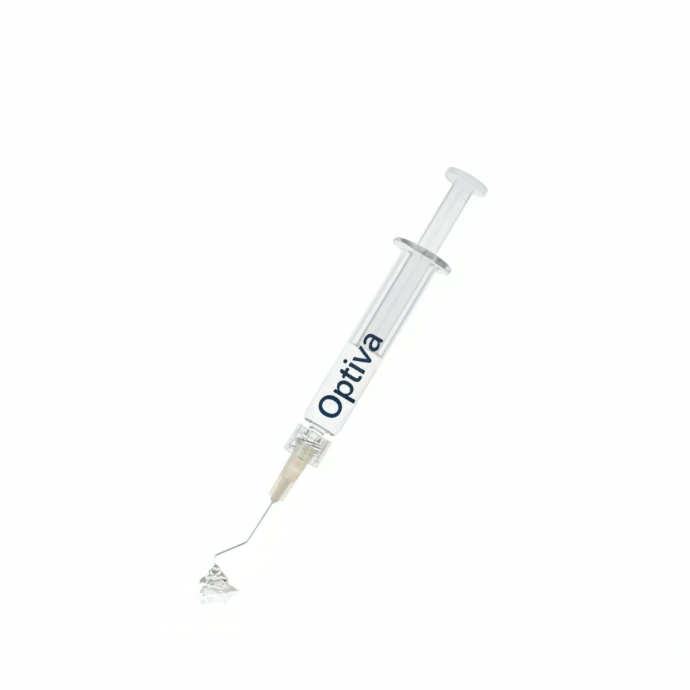
Hypromellose


2% methylcellulose
(Quantity 2.0mL; the image may differ from the actual product)

Sodium hyaluronate

Possibility of various concentrations from 1 to 3%. (Quantity 1.1mL; the image may differ from the actual product)
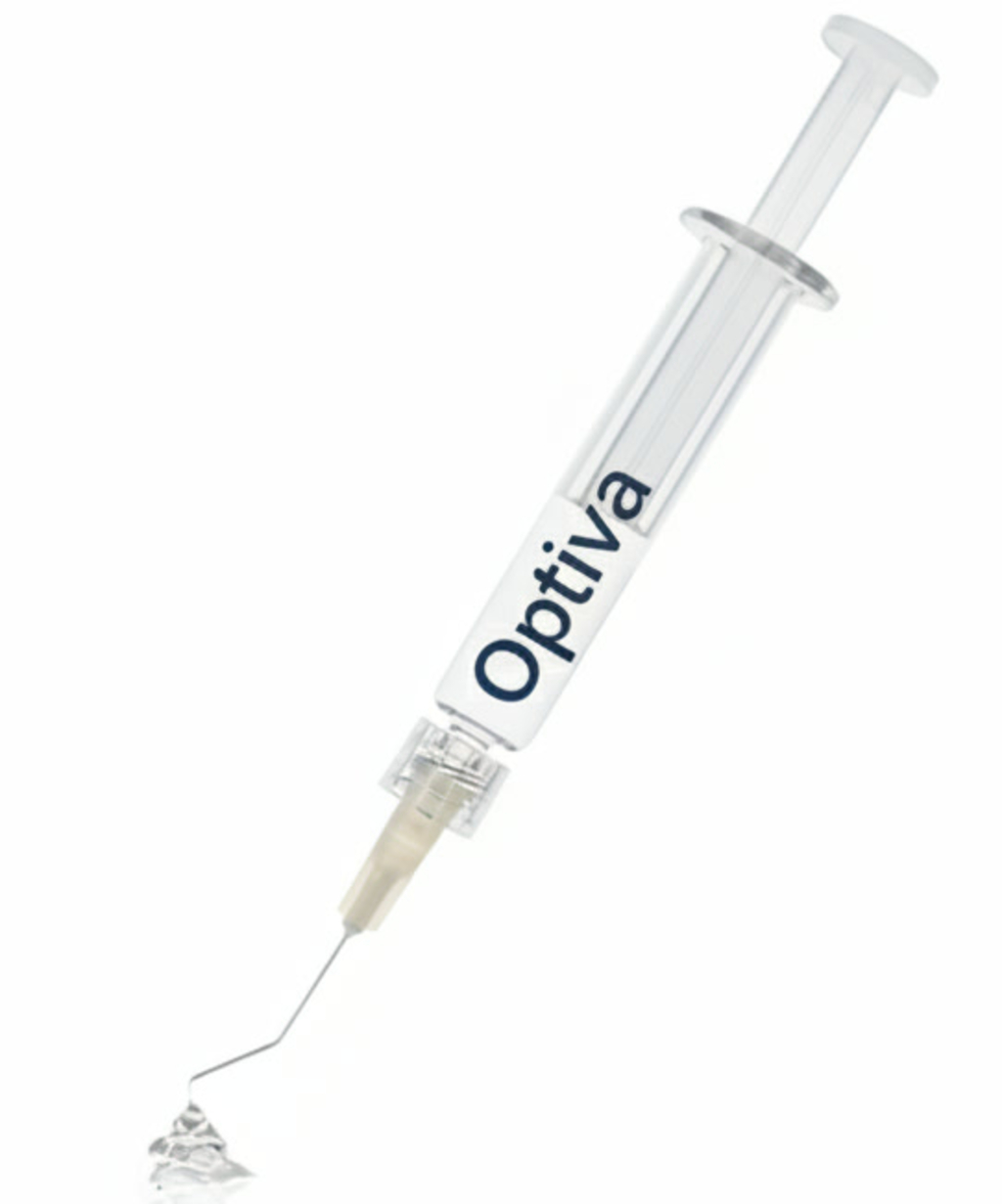
Hyaluronic acid with taurine

(Best seller)

Possibility of various concentrations from 1 to 3%. (Quantity 1.1mL; the image may differ from the actual product)

Hypromellose

2% methylcellulose
(Quantity 2.0mL; the image may differ from the actual product)

Sodium hyaluronate

Possibility of various concentrations from 1% to 3%. (Quantity 1.1mL; the image may differ from the actual product)

Sodium hyaluronate with taurine

(Best seller)

Possibility of various concentrations from 1 to 3%. (Quantity 1.1mL; the image may differ from the actual product)

why is taurine not a ,,random'' supplement? 


Sodium hyaluronate with taurine 

Antioxidant protection — studies show that taurine significantly reduces oxidative stress (reactive oxygen species) in the cells of the corneal epithelium and endothelium. In cataract surgery, the endothelial cells of the cornea are exposed to oxidative damage from ultrasound (phacoemulsification) and free radicals generated during the procedure. A study on rabbit corneas shows that taurine prevents damage to the corneal endothelium caused by hydrogen peroxide.
Natural Concentration in the Cornea — taurine is among the most abundant free amino acids in the cornea, with a concentration approximately three times higher than the next most abundant (aspartic acid). This means that adding it to the viscoelastic substance is comparable to "replenishing" something that the tissue already recognizes and utilizes naturally, unlike a foreign synthetic additive.
Osmoregulation and cell membrane stabilization — taurine acts as an osmoregulator and helps stabilize proteins and cell membranes, which is beneficial during hypertonic stress (such as that experienced during surgical procedures and irrigation with saline solutions).

Protection in dry eye / postoperative discomfort — taurine in combination with sodium hyaluronate demonstrates a significant antioxidant effect on corneal epithelial cells and protects the ocular surface from damage induced by atropine/oxidative stress. This provides an added benefit for postoperative patient comfort.